



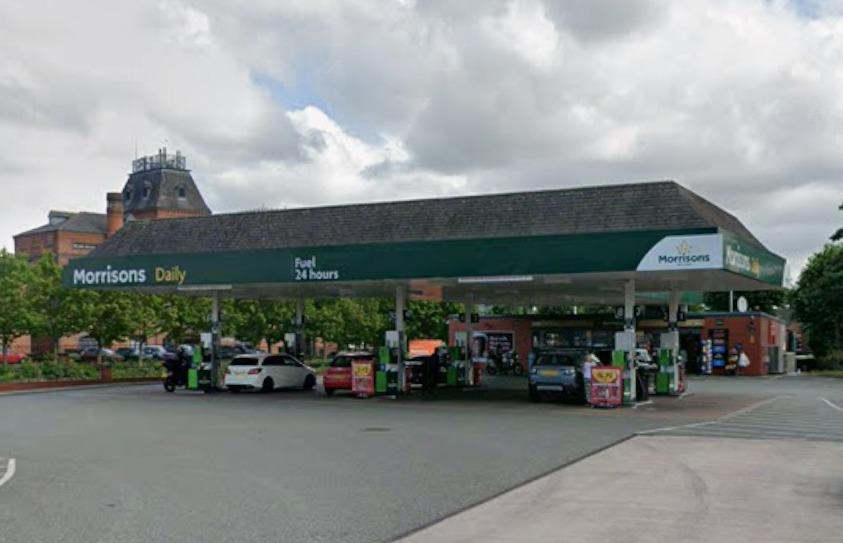


Morrisons is recalling crisps from supermarkets in the UK because they may pose a “health risk” to customers.
The supermarket giant is recalling its Morrisons Maple & Bacon Back of the Net crisps from stores, while the Food Standards Agency (FSA) has issued a “do not eat” warning.
The affected crisps come in packs of 140g and have a best before date of August 22.
The crisps may contain milk which is not mentioned on the label due to a packaging error, as a result they are a health risk to anyone with an allergy or intolerance to milk.
27 June: @Morrisons recalls Morrisons Maple & Bacon Back of the Net because of undeclared milk #FoodAllergy https://t.co/RXxNv4Zej0 pic.twitter.com/S6GCLzAZUF
— Food Standards Agency (@foodgov) June 27, 2026
An FSA spokesman said: “Morrisons is recalling the above product from customers and has been advised to contact the relevant allergy support organisations, which will tell their members about the recall.
“The company has also issued a point-of-sale notice to its customers. These notices explain to customers why the product is being recalled and tell them what to do if they have bought the product.
“If you have bought the above product and have an allergy or intolerance to milk or milk constituents, do not eat it. Instead return it to the store from where it was bought for a full refund.”
A Morrisons spokesman added: “Please do not eat this product and return it to your nearest store for a full refund. We don't need a receipt.
“No other products are affected by this issue. We apologise for the inconvenience this may cause and assure customers of our continuing commitment to the highest standard of product quality and safety.”
What is a product recall?
If there is a problem with a food product that means it should not be sold, then it might be 'withdrawn' (taken off the shelves) or 'recalled' (when customers are asked to return the product).
The FSA issues Product Withdrawal Information Notices and Product Recall Information Notices to let consumers and local authorities know about problems associated with food.
In some cases, a 'Food Alert for Action' is issued.
This provides local authorities with details of specific actions to be taken on behalf of consumers.


Share